Cemetery regulations for monuments in Massachusetts and Rhode Island vary from one cemetery to the next. Understanding the permit process can save you time, stress, and unexpected delays. This guide covers the key differences between MA and RI, who files permits, and how the process works in Rehoboth, Norton, and Cumberland.
How Massachusetts and Rhode Island Handle Monument Permits Differently
Both states set a baseline, but local cemeteries hold most of the authority. In Massachusetts, oversight falls under Massachusetts General Laws Chapter 114, which names the Board of Cemetery Commissioners as the approving body. In Rhode Island, cemeteries set their own rules, with the Historical Preservation and Heritage Commission involved for historic properties.
In Rehoboth and Norton, MA, town cemeteries typically require a written application with monument dimensions, stone type, design sketches, and lot number. In Cumberland, RI, private and religious cemeteries often have printed specs that an experienced installer already has on file.
Who Files the Permit, and How Long Does Approval Take?
In most cases, the monument company files the permit directly, submitting a foundation order, dimensioned drawing, and authorization from the lot owner or legal heir.
Approval timelines vary. Upright monuments and flat markers usually clear within days to a few weeks. Historic cemeteries in Rhode Island may need more documentation and take longer.
Foundation Requirements and Size Restrictions
Foundation work is required by nearly every cemetery. Most perform their own pours, charging a fee based on base size. No monument is set until the foundation is approved.
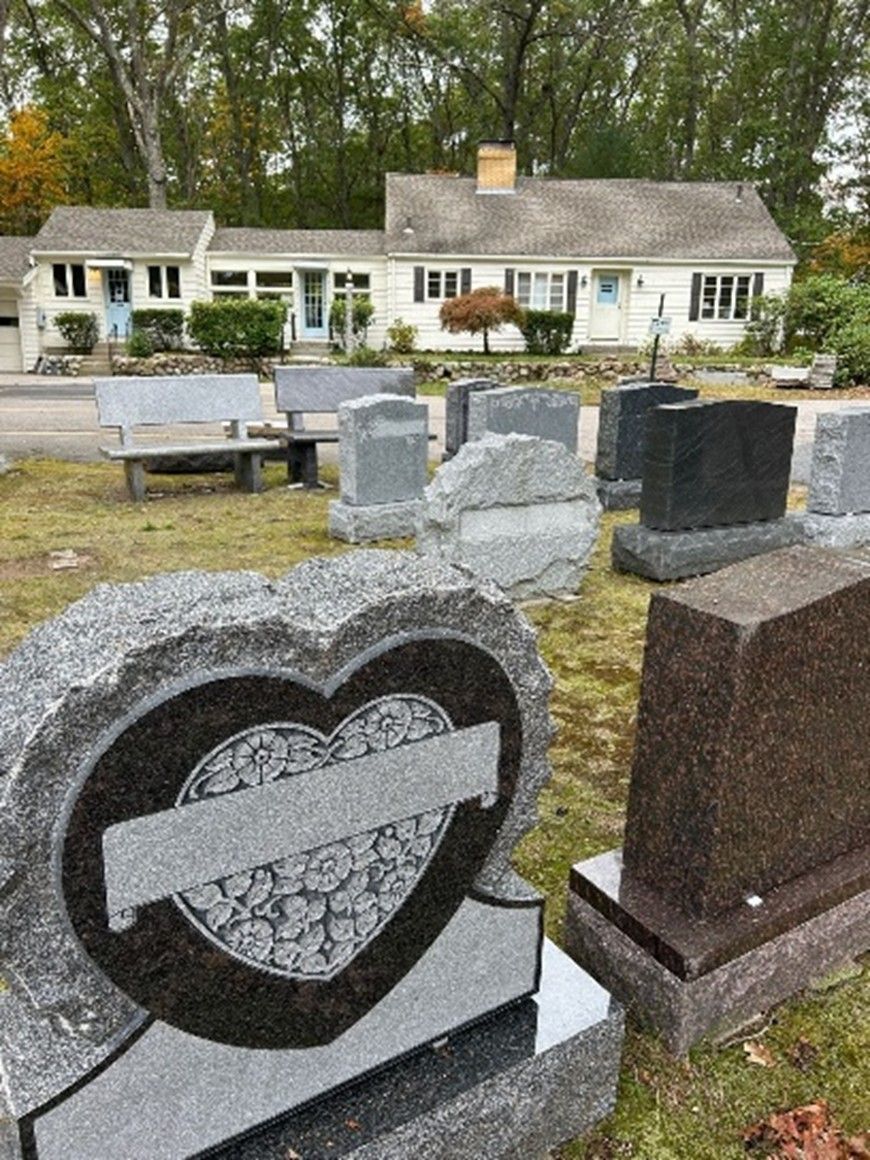
Size restrictions vary by section. Many cemeteries in the Rehoboth and Norton area limit upright monuments by lot size and zone, and some permit only flat markers. A knowledgeable provider reviews current rules before your design is finalized so nothing has to be remade.
What Documents Does a Cemetery Typically Require?
▸ Signed authorization from the lot owner or legal heir.
▸ A scaled sketch with monument height, width, length, and base.
▸ The name and contact information of the installer.
▸ Payment of the foundation fee, which varies by cemetery and size.
Do Monument Rules Differ Between Traditional Cemeteries and Memorial Parks?
Yes. Massachusetts law distinguishes traditional cemeteries, which allow upright monuments, from memorial parks, which permit only flush-to-the-ground markers. Confirming the type before ordering prevents costly mistakes.
How Local Coordination Makes the Process Easier
Families in Rehoboth, Norton, and Cumberland benefit when their installer communicates directly with cemetery staff. An experienced company knows foundation preferences, seasonal installation windows, and inscription requirements across Bristol County, MA, and Providence County, RI.
Ready to Start? Morse & Beggs Monument Company Can Help
Morse & Beggs Monument Company has served families in Eastern Massachusetts and Rhode Island since 1938, handling cemetery coordination from start to finish. We review every cemetery's rules before your design is finalized, submit all required documentation, and manage installation on your behalf.
Explore our
crafted monument styles or
contact us to schedule a consultation in person, by phone, or virtually. Call us at
(508) 699-8981 to get started today.